
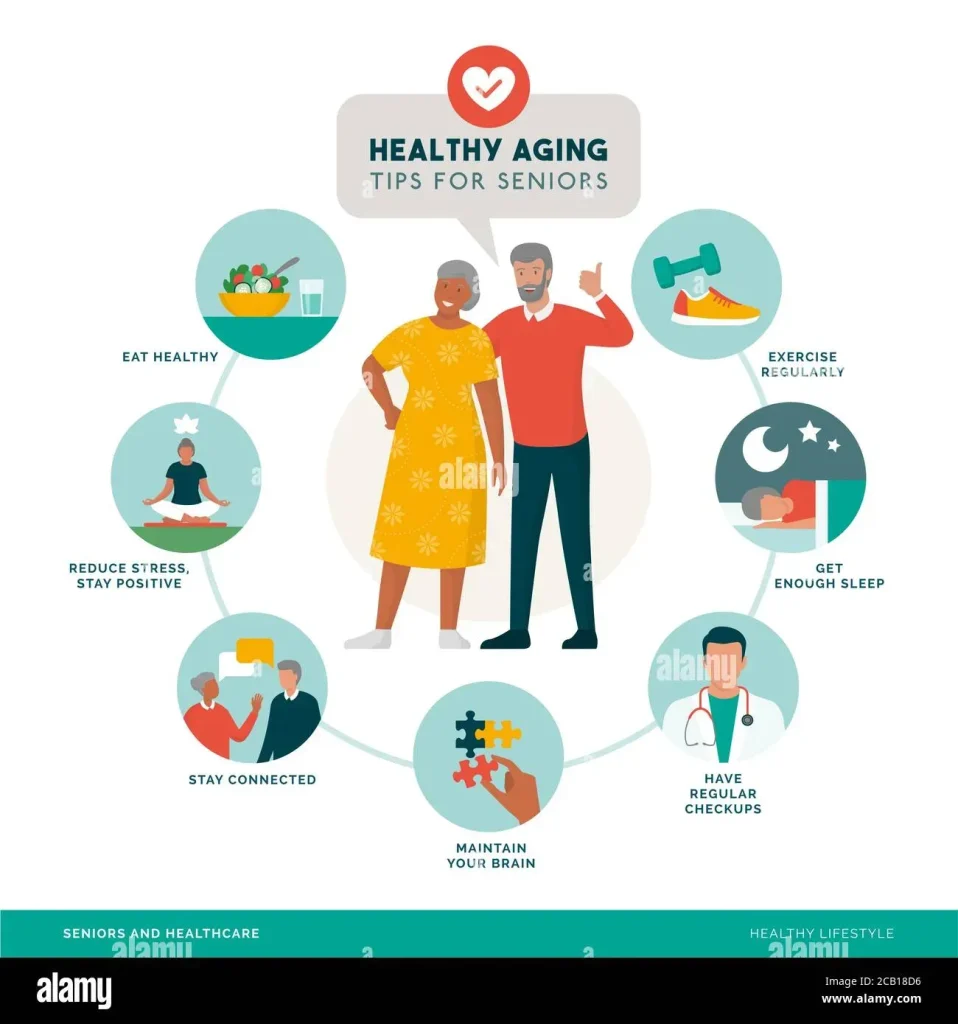
Healthy aging is a journey of vitality, purpose, and well-being. While genetics matter, the daily choices you make over decades shape how you feel, look, and function as you grow older. This guide shares practical, evidence-based insights and healthy aging tips that center movement, nutrition, sleep, mental health, and preventive care. The aim is to add life to years, not just years to life, by building sustainable routines you can maintain. With small, steady steps, you can preserve independence, energy, and joy across the decades.
Viewed through an alternative lens, aging can be understood as thriving through sustained wellness in later life. Aging well means maintaining vitality, independence, and social connection through consistent movement, balanced nutrition, and restorative sleep. This approach centers on a lifestyle for aging that prioritizes regular, enjoyable exercise for seniors and nutrient-dense meals. By framing the topic with related terms such as healthy longevity, senior fitness, and cognitive vitality, you connect nutritional strategies for aging to everyday routines. The emphasis is on gradual, sustainable change rather than drastic overhauls, so readers feel empowered to start today.
Healthy aging: Movement, nutrition, and purposeful living for aging well
Aging is a gradual journey shaped by daily choices. By prioritizing consistent movement, balanced meals, and restorative rest, you can reinforce vitality across decades. This approach aligns with healthy aging tips that emphasize sustainable habits over drastic overhauls, helping you maintain independence, energy, and mood while navigating midlife transitions.
A practical path to aging well involves blending cardio, strength, and balance into a simple weekly routine. Regular movement supports heart health, mobility, and resilience, while strength training preserves muscle mass and bone density. For aging well, opt for low‑impact activities you enjoy, progress gradually, and seek medical guidance if you have chronic conditions. This is where exercise for seniors becomes practical: manageable, enjoyable, and adaptable to your body.
Nutrition and hydration are equally critical. Prioritize protein, fiber, healthy fats, and steady hydration to support muscle maintenance, immune function, and cognitive health. Framing dietary choices as nutritional strategies for aging helps you maintain energy and vitality across long-term horizons. Small, sustainable changes—cooking at home, including colorful produce, and planning meals—form a lifestyle for aging that preserves independence and zest for daily living.
Aging in balance: Building a lifestyle for aging that supports movement and nourishment
A lifestyle designed for aging starts with a stable routine: consistent sleep, daily movement, and mindful food choices. When you center your days around achievable habits, you create a foundation that supports exercise for seniors without burnout. This balanced approach mirrors the broader philosophy of healthy aging tips—progress over perfection and gradual improvements that compound over time.
Crafting momentum requires tailoring your plan to personal preferences and physical realities. Prioritize protein-rich meals, hydration, and varied activity to preserve strength, balance, and cognitive vitality while staying connected with family and community. By integrating nutritional strategies for aging into everyday life and reinforcing routines with small wins, you reinforce a durable, enjoyable path to aging well and maintaining independence.
To sustain this trajectory, track progress through energy, mood, sleep quality, and daily task performance rather than just weight. Embrace flexibility to adapt activities as needs change, and continuously reassess goals with healthcare providers or trusted mentors. A thoughtful, incremental approach to the lifestyle for aging ensures you remain engaged, resilient, and fulfilled across the decades.
Frequently Asked Questions
What are practical healthy aging tips to support aging well and maintain independence in daily life?
Healthy aging tips to support aging well start with a simple, sustainable routine. Focus on movement, nutrition, sleep, mental health, and preventive care. Movement: aim for at least 150 minutes of moderate cardio weekly, plus two or more days of strength training and balance work. Nutrition: prioritize protein, fiber, healthy fats, and hydration; a Mediterranean-style pattern works well. Sleep and stress: maintain a consistent sleep schedule, use mindfulness or social activities to reduce stress. Preventive care: regular check-ups, vaccines, and age-appropriate screenings help preserve independence. Small, steady steps—like a 10-minute post-meal walk or a protein-forward dinner—add up and support healthy aging tips over time.
How can I use exercise for seniors and nutritional strategies for aging to build a sustainable lifestyle for aging?
A practical approach to a sustainable lifestyle for aging is to combine movement with smart nutrition and good sleep. For exercise for seniors: include aerobic activity, resistance training, and balance work; start gradually and progress safely, aiming for regular workouts most weeks. For nutritional strategies for aging: ensure adequate protein across meals to preserve lean mass, choose nutrient-dense foods (vegetables, fruits, whole grains, healthy fats), stay hydrated, and pay attention to calcium and vitamin D for bone health. Plan meals ahead, cook at home when possible, and practice mindful eating. This integrated approach supports energy, cognitive health, and independence while aligning with healthy aging tips and aging well.
| Aspect | Key Points | Details / Evidence |
|---|---|---|
| Movement and physical health |
|
|
| Nutrition and hydration for vitality |
|
|
| Sleep, stress, and cognitive vitality |
|
|
| Preventive care and medical stewardship |
|
|
| Home environment, safety, and daily routines |
|
|
| Decade-by-decade perspectives |
|
|
| Myths versus realities |
|
|
| Putting it all together: sustainable plan |
|
|
Summary
Conclusion