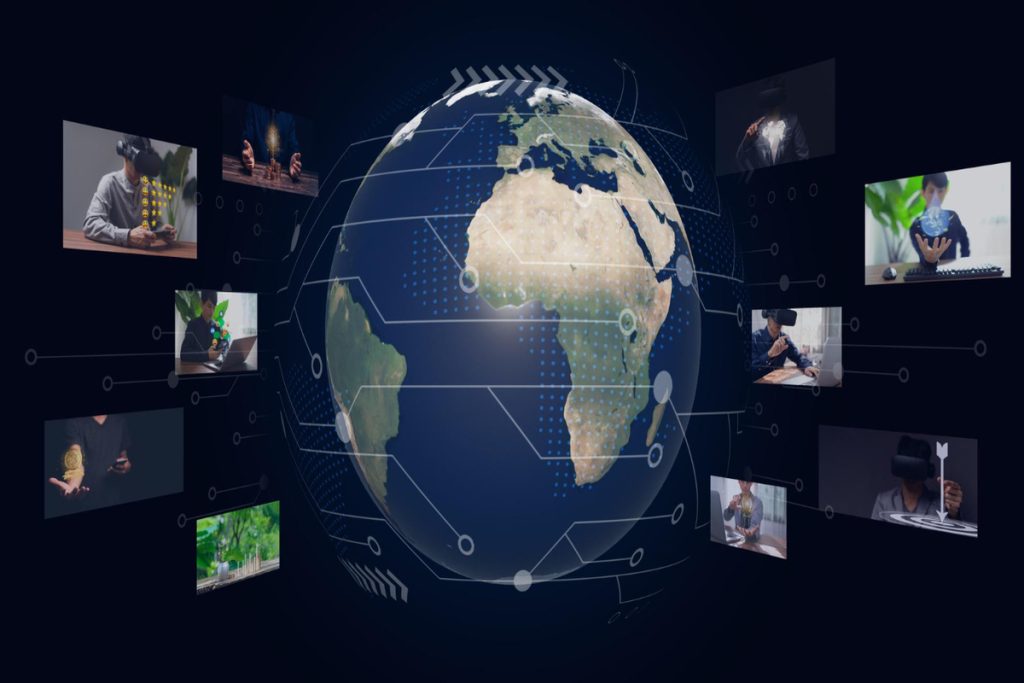
World News You Need to Know is your go-to lens on how nations interact, how crises unfold, and how leaders respond when diplomacy, disaster response, and policy decisions collide on the world stage. This descriptive overview helps readers interpret today’s events through the prisms of global affairs and international relations. By weaving together diplomacy news, policy updates, and humanitarian response, the piece highlights how regional developments ripple across economies and societies. From credibility checks to timelines and practical implications, it explains what to watch for as leaders forge alliances and navigate crises. Whether you are a policy professional, a student of politics, or a curious reader, this introduction equips you to read today’s world news with clarity.
Viewed through a global politics lens, this topic becomes a dynamic briefing on how states cooperate, compete, and respond to shocks. Latent Semantic Indexing (LSI) principles suggest using terms such as geopolitics, multilateral diplomacy, governance challenges, and regional security dynamics to map the same terrain with varied emphasis. Linking regional security, economic policy, humanitarian relief, and climate considerations shows how governance decisions cascade across borders. By presenting these related terms alongside concrete examples, the piece stays accessible while preserving depth for readers across roles.
World News You Need to Know: Diplomacy, Global Affairs, and International Relations in a Connected Era
World News You Need to Know operates as a lens into how nations negotiate, align, and sometimes clash on the world stage. By tying diplomacy news to broader global affairs and international relations, readers gain a clearer view of how high-stakes talks translate into security arrangements, economic ties, and cross-border cooperation. This framing helps illuminate why a summit, treaty, or regional agreement matters beyond headlines, linking policy updates to tangible outcomes on markets, governance, and daily life.
For readers seeking practical understanding, World News You Need to Know offers a guided approach to interpretation. It emphasizes evaluating credibility, distinguishing rhetoric from real-world impact, and tracking the timelines that connect political decisions to consequences on the ground. When disaster response or humanitarian aid enters the narrative, the lens highlights how international relations shape coordination, funding, and access to essential services, weaving diplomacy news with global affairs and policy updates to present a coherent, real-time picture of world events.
— (Subheading 1 continues)— Global Contexts in Diplomacy, Disaster Response, and Policy Updates
In exploring global leadership and decision-making, readers see how diplomacy intersects with economic policy and security guarantees within the framework of international relations. The described dynamics—summits, negotiations, and regional forums—signal shifts in power, alliances, and climate finance arrangements, underscoring the practical relevance of policy updates for nations and partners worldwide.
This coverage also demonstrates how everyday life is influenced by macro decisions. By connecting policy updates to local outcomes—employment, prices, and access to services—the narrative remains accessible while preserving the complexity of global governance. The integration of diplomacy news with global affairs helps readers anticipate future developments and understand how leadership choices resonate across borders.
Global Trends Shaping the News Cycle: Multipolarity, Tech Governance, and Humanitarian Priorities
Global trends such as multipolar dynamics and evolving regional blocs redefine who leads on climate action, economic resilience, and health security. The rapid pace of technological change, including data-driven diplomacy and digital governance, is reshaping crisis prevention and disaster response. By situating current events within these trends, readers can correlate shifts in alliances and trade policies with broader patterns in global affairs and international relations.
Public opinion, media literacy, and civil society engagement increasingly influence how leaders frame policy updates and respond to crises. Reading through this lens helps distinguish genuine progress from perfunctory rhetoric, while recognizing how disaster response, diplomacy news, and policy developments interact in real time. This holistic view clarifies the interconnected system shaping world events and aids readers in evaluating sources and forecasting potential outcomes.
Frequently Asked Questions
How does World News You Need to Know explain diplomacy news and global affairs, and why are policy updates framed within international relations?
World News You Need to Know explains diplomacy news and global affairs by showing how diplomatic talks, treaties, and alliances translate into policy updates and security considerations within international relations. It connects headline events to longer-term trends in global governance, helping readers interpret why leaders act and how agreements affect economies and societies. The coverage also teaches readers to evaluate sources and distinguish rhetoric from real-world impact, anchoring news in practical consequences for citizens.
Why should readers follow World News You Need to Know’s disaster response and international relations coverage to understand humanitarian outcomes?
Following disaster response and international relations coverage in World News You Need to Know highlights how humanitarian coordination, funding, and logistics influence outcomes on the ground. It shows how regional leaders, humanitarian agencies, and donors collaborate under shared frameworks to save lives and rebuild infrastructure, while noting challenges in areas with limited infrastructure or instability. The analysis emphasizes practical takeaways for assessing relief effectiveness and understanding how policy updates and geopolitical dynamics shape aid delivery.
| Aspect | Key Points |
|---|---|
| Diplomacy | Diplomacy is the ongoing, high-stakes work behind closed doors that shapes policy, security frameworks, and cross-border cooperation; it is a continuous process among governments, international bodies, and non-state actors. |
| International Relations & Global Leadership | Relates to how states interact, balance national interests with international norms and multilateral commitments; summits and treaties signal longer-term shifts in power, economics, and security. |
| Global Affairs | Encompasses political maneuvering alongside economic policy, cultural exchange, technology governance, and shared responses to transnational challenges; globalization of climate, trade, and finance creates ripple effects. |
| Disaster Response | Humanitarian operations, coordination among agencies and governments, and rapid mobilization of resources; the effectiveness of relief efforts reveals preparedness, logistics, and regional resilience. |
| Policy Updates | Visible changes in laws, regulations, and government priorities that shape employment, living costs, and access to services; links between policy shifts and international relations influence alliances and rivalries. |
| Global Trends Shaping the News Cycle | Multipolar dynamics, evolving regional blocs, and the role of technology in diplomacy; public opinion and media literacy increasingly influence how leaders communicate and how policies are formed. |
| Practical Takeaways for Staying Informed | Follow reputable sources, cross-check claims, connect international moves to local consequences, monitor humanitarian corridors and funding mechanisms, and relate policy updates to long-term strategic goals. |
Summary
World News You Need to Know offers a holistic view of how diplomacy, disaster response, and policy updates shape today’s global landscape. By weaving together diplomacy, international relations, global affairs, and humanitarian action, it helps readers interpret developments, anticipate consequences, and understand the real-world effects on people and communities. This descriptive overview highlights the value of credible sourcing, critical analysis, and awareness of how geopolitical decisions translate into everyday life, empowering readers to engage thoughtfully with the world’s rapidly changing events.