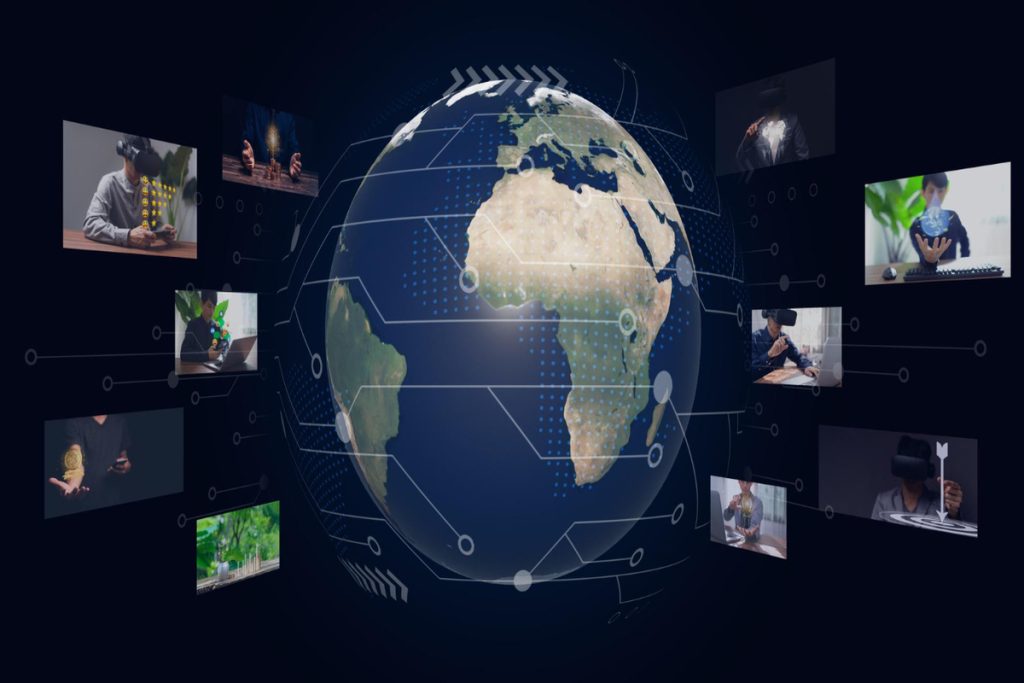

World News Analysis offers a clear lens into how events unfold across borders, reshaping policy, markets, and public perception. By tracing these developments through the framework of global politics, we connect headlines to longer-term shifts in governance and power. This approach clarifies how alliances, sanctions, energy decisions, and diplomatic signaling influence regional stability, economic resilience, and public trust in institutions. Rather than treating each story as an isolated incident, the method places it within a broader continuum of policy experimentation, adaptation, and risk management across governments and markets. For readers, this perspective offers a structured, descriptive overview that links day-by-day reporting to longer-term consequences for citizens, investors, and international partners seeking predictability in a changing world.
As an alternative framing, many readers encounter a global affairs assessment that tracks how political shifts translate into policy and market behavior. Another common term is macro-level geopolitical analysis, which maps how regional realignments influence global governance and investment flows. A further synonym is an international dynamics review, focusing on how actors—from states to firms—shape the world stage through strategy, leverage, and persuasion. Together, these LSI-aligned concepts help analysts connect daily news to enduring patterns, enabling clearer comparisons across regions and time.
World News Analysis in a Multipolar Era: Reading Global Politics and World Affairs
World News Analysis offers a lens that translates episodic headlines into longer-term shifts in power, legitimacy, and governance. In an era of multipolar dynamics, great-power competition, and evolving regional influence, the study of recent events analysis helps explain how developments in one region ripple across global politics, shaping international relations and the architecture of world affairs. By tracing policy decisions, sanctions, and alliance realignments, this approach reveals how geopolitics is shaped not only by geography but by technology, energy, and information ecosystems that influence global governance.
These trajectories matter for policymakers and markets alike because the same headlines that redraw regional security architectures also reconfigure global governance norms and investment flows. World News Analysis maps headlines to structural changes—security postures, logistics networks, and regulatory shifts—providing proactive insight into what comes next for international relations and overall global politics. By concentrating on the why behind events, it helps readers move from reactive commentary to a descriptive, forward-looking view of how world affairs evolve in the near term and beyond.
Geopolitics, Economics, and Policy Levers: Interpreting Recent Events Analysis for International Relations
Economic statecraft—sanctions, tariffs, export controls, and technology standards—remains a powerful script in international relations, shaping global politics beyond borders. Recent events analysis shows how competition over critical resources, supply-chain resilience, and continental trade patterns rewire regional power and investment flows. In this framework, geopolitics is the intersection of capability, policy signaling, and institutional power, where states and firms navigate a web of alliances, governance norms, and strategic incentives that determine who sets the rules in global governance.
Policy levers such as energy security, climate-transition commitments, and multilateral norms guide state responses to shocks and opportunities. By examining leadership messaging, public opinion, and diplomatic coordination with allies, World News Analysis-style scrutiny can anticipate policy shifts and risk scenarios for world affairs. The analysis also highlights the rising influence of non-state actors and regional blocs, illustrating how international relations are becoming more networked, complex, and interdependent in the modern global order.
Frequently Asked Questions
What is World News Analysis, and how does it illuminate global politics and international relations in recent events?
World News Analysis is a lens that translates episodic headlines into ongoing shifts in power, legitimacy, and governance. By linking events to drivers such as great power competition, multipolarity, energy and technology dynamics, and policy responses, it clarifies how trends in global politics and international relations unfold. This recent events analysis helps highlight not only what happened, but why it matters for policy, markets, and the future of the global order, making it a practical tool for analysts, policymakers, and business leaders.
In World News Analysis, how do geopolitics and regional trajectories help interpret recent events across Europe, the Asia-Pacific, and the Middle East?
By examining how geopolitics and regional trajectories interact with broader power shifts, World News Analysis reveals the causal links behind headlines. It connects Europe’s security and energy policy, Asia-Pacific hedging and supply chains, and Middle East dynamics to multipolar competition, sanctions, and evolving world affairs norms. The result is a framework to anticipate policy choices and risks rather than merely report events.
| Theme | Key Points | Implications |
|---|---|---|
| World News Analysis: Purpose and lens |
|
|
| Global power dynamics drivers |
|
|
| Global politics macro backdrop themes |
|
|
| Europe and Eurasia |
|
|
| Europe-US / Transatlantic recalibration |
|
|
| Asia-Pacific and Indo-Pacific realignment |
|
|
| Middle East, Africa, and Latin America |
|
|
| Geopolitics, economics, and policy levers |
|
|
| Case studies and lessons for policy |
|
|
| Public discourse, media, and world affairs |
|
|
| Looking forward: what to monitor |
|
|
Summary
World News Analysis provides a comprehensive lens into the evolving geopolitics of our interconnected age. This framework connects headlines to enduring shifts in power, legitimacy, and governance, offering proactive insight into how regional trajectories feed the global order. By examining drivers—military, economic, technological—and the role of information ecosystems, World News Analysis helps policymakers, business leaders, and citizens anticipate risks, identify opportunities, and navigate the opportunities and challenges of a multipolar, rapidly changing world. Through careful synthesis of regional trends and policy levers, it turns reactive commentary into informed judgment about what comes next for nations big and small in the global arena.